|
|
Last
Modified on
Jun 22, 2026
At the end, most family law orders look similar on the surface. A decree of divorce, a parenting plan, a property settlement agreement, a QDRO. Lawyers in this practice area produce these documents constantly. From the outside, the work appears to involve filling in template provisions and adapting language a lawyer has used a thousand times before. But it is about more than that. The difference between a well-drafted family law agreement and an inadequate one shows up later, months and even years later, when one of the parties tries to enforce a provision that does not actually do what it was supposed to do. Or when a modification is brought and the original agreement’s language is ambiguous. Or when a higher court is asked to interpret a clause that the drafting lawyer thought was clear. This is where the practice of trial and appellate work intersects with the practice of agreement drafting in a way most clients do not see and most lawyers do not advertise.
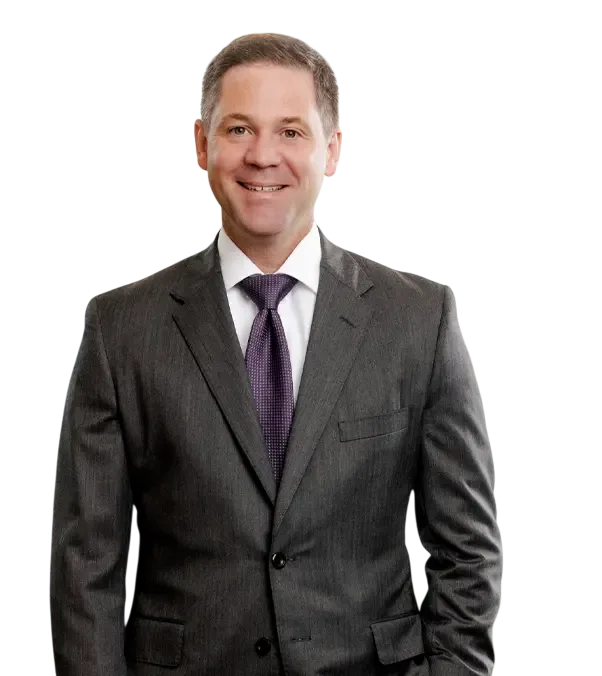
Aaron Bundy and Kathleen Egan are both board certified in family law trial advocacy by the National Board of Trial Advocacy. Board certification is uncommon. There are only three in Oklahoma and Arkansas. The certification process requires extensive trial experience, peer review, written examination, and ongoing recertification. Board certified trial lawyers have spent years in front of judges, examining witnesses, putting evidence into the record, arguing at the conclusion of trials, and drafting the court orders at the highest level of practice. They have deep insight into which provisions of a written agreement actually hold up and which provisions fail. The trial and appellate work behind that certification matters to agreement drafting for a specific reason. When a lawyer has tried family law cases regularly, the lawyer has seen what happens when an agreement is later challenged. When that same lawyer has handled appeals from family law judgments, the lawyer has read the appellate opinions that reverse trial courts because of poorly drafted provisions. The lawyer has watched language that seemed clear at signing get reinterpreted by a judge years later in a way the drafter did not intend. That accumulated experience changes how a lawyer drafts. It produces an agreement that anticipates the disputes that follow rather than one that only addresses the disputes that produced it.
How it works
The client begins by completing a Settify intake. Settify asks the questions that matter in a family law case in the order that matters, and it does so before the lawyer’s time begins. Assets and debts, income from all sources, retirement and deferred compensation, prior marriages and prior agreements, children and parenting schedules, real estate, business interests, the goals the client has for the matter, and the concerns the client wants addressed. Settify produces a comprehensive intake document that arrives in the lawyer’s hands before the first meeting. By the time the client sits down with us, we already know the matter.
The intake feeds Litify, our case management system on the Salesforce platform. Litify holds Docrio, our document automation engine. Docrio is loaded with templates we built ourselves over years of family law practice across Oklahoma, Arkansas, and Missouri. These are not generic forms downloaded from a national vendor. Each template was drafted by lawyers at our firm and refined by what we have learned in trials, mediations, and appeals. The clauses that produced disputes were rewritten. The provisions appellate courts have approved were added. The language that has been tested and proven was kept.
When a matter is ready for an agreement, Docrio pulls the intake data from Settify, the matter data from Litify, and the appropriate template from our library, and produces a draft in minutes. The lawyer then reviews and refines the draft for the specific facts of the matter. The substantive thinking has been done. The lawyer’s review focuses on the particulars of this client, this spouse, this asset, this child, this court, this state.
For uncontested matters, we built a complete sequence of client emails that walks each client through every step of the process from engagement to final decree. These templates were written by our lawyers and reflect actual procedure. Each client receives the right email at the right time without anyone having to write it from scratch.
Our institutional knowledge
The templates, the email sequences, the document library, the intake structure are not the product of a single lawyer’s experience. They are the accumulated work of the firm. Every client receives the cumulative experience of the entire firm, executed through a document infrastructure built specifically for our work. A new associate at our firm produces work product on day one that reflects what the senior partners have learned over twenty years, because the work is held in the system rather than only in one particular lawyer’s head.
How this produces faster and better agreements
A solo lawyer drafting an uncontested divorce decree starts from a form. The form was likely downloaded from a CLE materials packet, a state bar resource, or a generic legal forms vendor. The lawyer customizes it from memory and from notes. An email to the client about the parenting seminar gets written from scratch or copied from a prior client. The exchange with the other side is coordinated through whatever the lawyer has time to do that day. The pace of the matter depends on how quickly the lawyer can sit down and do each task.
At Bundy, the form is replaced by information that the firm built and refined. Client emails are sent from a sequence the firm built and refined.The lawyer’s time is spent on client facetime and substantive document review. The routine drafting and client updates are handled by the system, yet they are no substitute for real legal advice, from a lawyer, not a paralegal. Our infrastructure is why we can move an uncontested matter from engagement to final decree in days rather than months without sacrificing the substance of the work, because we have attacked and removed the bottlenecks that bog down other lawyers. It is why our contested matters move faster too: the same infrastructure that supports an uncontested decree supports the proposed decree we draft early in a contested case as part of our trial preparation.
The combination is what produces the result. Board-certified trial lawyers who know what the agreements need to do for the long term. Trial-trained associates licensed in three states. Settify gathering the right information at the right time. Docrio producing the draft. Litify routing the communications and holding the matter together. Email sequences that keep the client informed without consuming the lawyer’s time while simultaneously freeing the lawyer to spend time with the client discussing what matters most. Institutional knowledge built into the system so that every lawyer at the firm produces work that reflects what the firm collectively knows.
This is what allows Bundy to produce family law agreements that are more thorough and faster than the conventional approach. The two are not in tension. They are the same outcome of the same work.
If you have a matter that requires this kind of work, or you are an advisor or fellow lawyer whose client or referred party does, call us.